As a teenager, I often traveled with my conductor in his van to music camps and concerts. The orchestra followed us on a bus. I was responsible for the music stands and equipment.
During those long drives, he shared what it was like to be born in 1930s Tallinn, to grow up in Soviet-occupied Estonia, and to become a musician in a society where connections mattered and traveling abroad meant seeing either paradise or hell, depending on whether you believed your own conscience or the propaganda.
In passing, he mentioned how life has phases marked by celebrations:
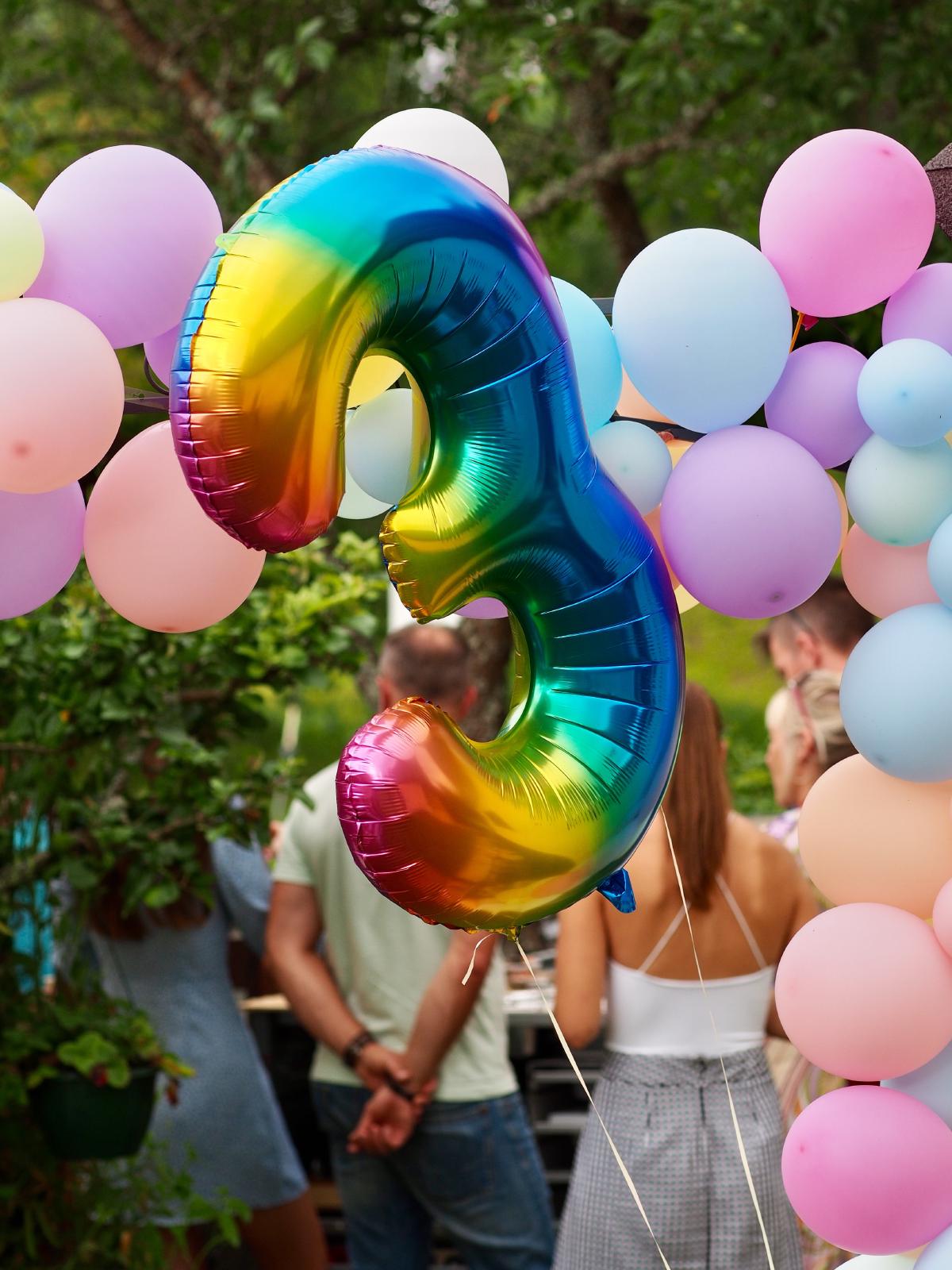
- kids’ birthday parties
- graduations
- weddings
- baby showers
- divorces
- jubilees
- once again weddings
- funerals
He was in the jubilees-and-funerals phase.
These phases are set by biology. Each has its range, sometimes overlapping, but you can always tell where one ended and another began.
Design leadership insights in your inbox
Bi-weekly from my practice. Quarterly exclusives from my practice.
This is how I think about customers.
When I consider a potential buyer, whether for cosmetics, a car, a sports drink, a mortgage loan, an industrial control panel, or emergency services, I always start with their life phase. It tells me more than demographics. I can figure out how they think and what they want. And whether I’m even talking to the right person.
We’ve mapped life phases to product offerings: which phase makes someone ready to buy, and what they’d actually consider. The connection with biology is surprisingly versatile. And morbid.
Baby showers and funerals have their time and place.