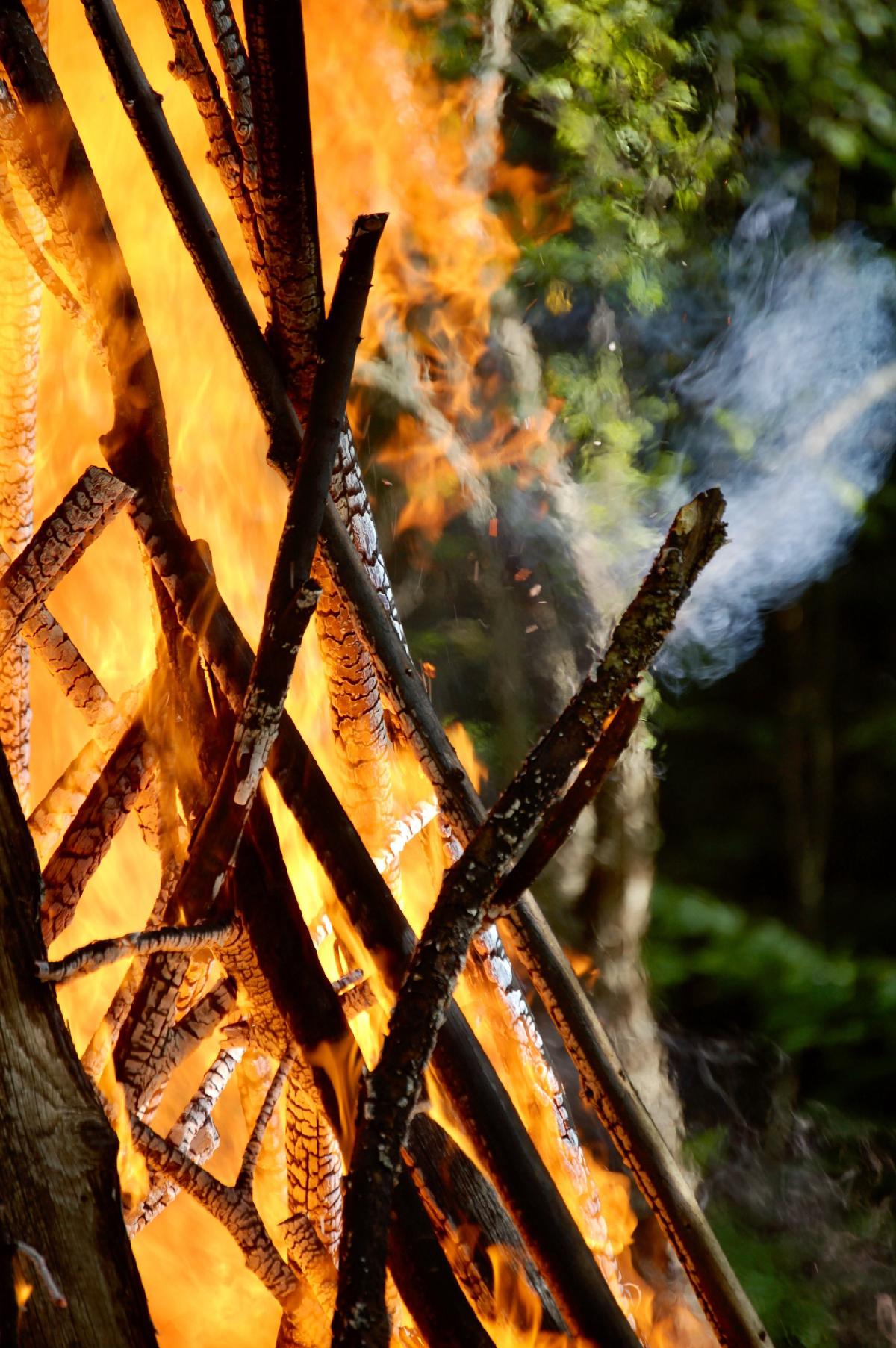
In 1914, Thomas Edison watched his factory burn. He told his son to bring their mother – she would never see a fire like this again.
The next morning, he said: “There is great value in disaster. All our mistakes are burned up. Thank God we can start anew.”
A snowy morning in 2005
I learned the same lesson years later, at a much smaller scale. It was winter in Estonia. I was still new to the team, a rookie who had just taken over a CVI project.
The client was demanding. Micro-managing, really. They wanted me to ensure their logo would print correctly from their office printer. I had prepared pages of color calibration tests, translating between CMYK and RGB, adjusting for the difference between their PCs and our Macs. Hours of work for one detail.
I woke up my Mac, opened Macromedia FreeHand, and tried to load the master file – the compilation of all brand materials, explanations, and examples. The file wouldn’t open. A specific error message: corruption. No recovery possible. The presentation was scheduled for that afternoon.
No backup, no server, no Time Machine
File corruption in FreeHand was a known issue. Hard drive space was expensive – we routinely deleted older materials. Backups were an afterthought. We had no servers, no established practices for storing valuable work. MacOS didn’t have Time Machine yet.
There was only one file. And it was gone.
The only reason I had any hope was a lucky coincidence: to speed up loading, I had linked the main brand assets as separate files rather than embedding them. The logos, color schemes, and layouts still existed. The master compilation – weeks of work organizing and explaining everything – did not.
I knew immediately that there was nothing to do with the corrupt file. I had to rebuild from scratch. My only worries: were any of the linked files also corrupt? And would my first-generation Mac Mini keep up with the timeline?
Four hours
I had worked with this CVI for weeks. I knew its structure by heart.
I rebuilt it quickly, but I also made cuts. Outdoor advertisement materials – they would never use those. Cut. Office supplies and daily items – essential. Keep.
And then there were the artifacts. Scans of paper sketches. Process documentation. Evidence of effort to justify the bill. None of it had real benefit for the customer. Cut.
When the client arrived, the presentation was ready. Everything went fine.
They didn’t notice the missing sections. They never asked. What I had cut was just my designer ego – proof of how hard I had worked, not proof of value delivered.
Design leadership insights in your inbox
From my practice, with each new post. Quarterly exclusives from my practice.
The cruft was gone
Only later did I realize what the corruption had given me.
Without the accumulated drafts and variations, I was forced to focus on essentials. The core brand elements. The communication that made this company distinct. The visual language that would actually serve their customers.
The panic had felt like disaster. It was actually clarity.
That was 2005. The branding is still in use today.
Sometimes I pass their office and notice the old familiar logo. I’ve pointed it out to my kids – evidence of my past, still standing. It’s one of several logos I designed that remain in use decades later. A pleasant reminder that what survives isn’t the effort. It’s the essence.
What the fire taught me
When I moved into UX and UI design, I started almost every project with post-its or notebook pages. Monochrome wireframes. Sometimes a main color, but mostly constraints. Limited space. Limited variability. Everything else comes later – if at all.
The same applies to writing. I always start with intent and main message, then develop content and details from there.
For texts and presentations I keep a single file, continuously developed – no getting lost in versions, just the pressure to keep it clean.
Fire has a cleaning function
Edison watched decades of work burn and saw opportunity. I watched a single file corrupt and learned the same lesson at a smaller scale.
Fire erases the materials we’re attached to – the ones that no longer carry value.
Show the meaning of the work, not evidence of the effort.